

Description
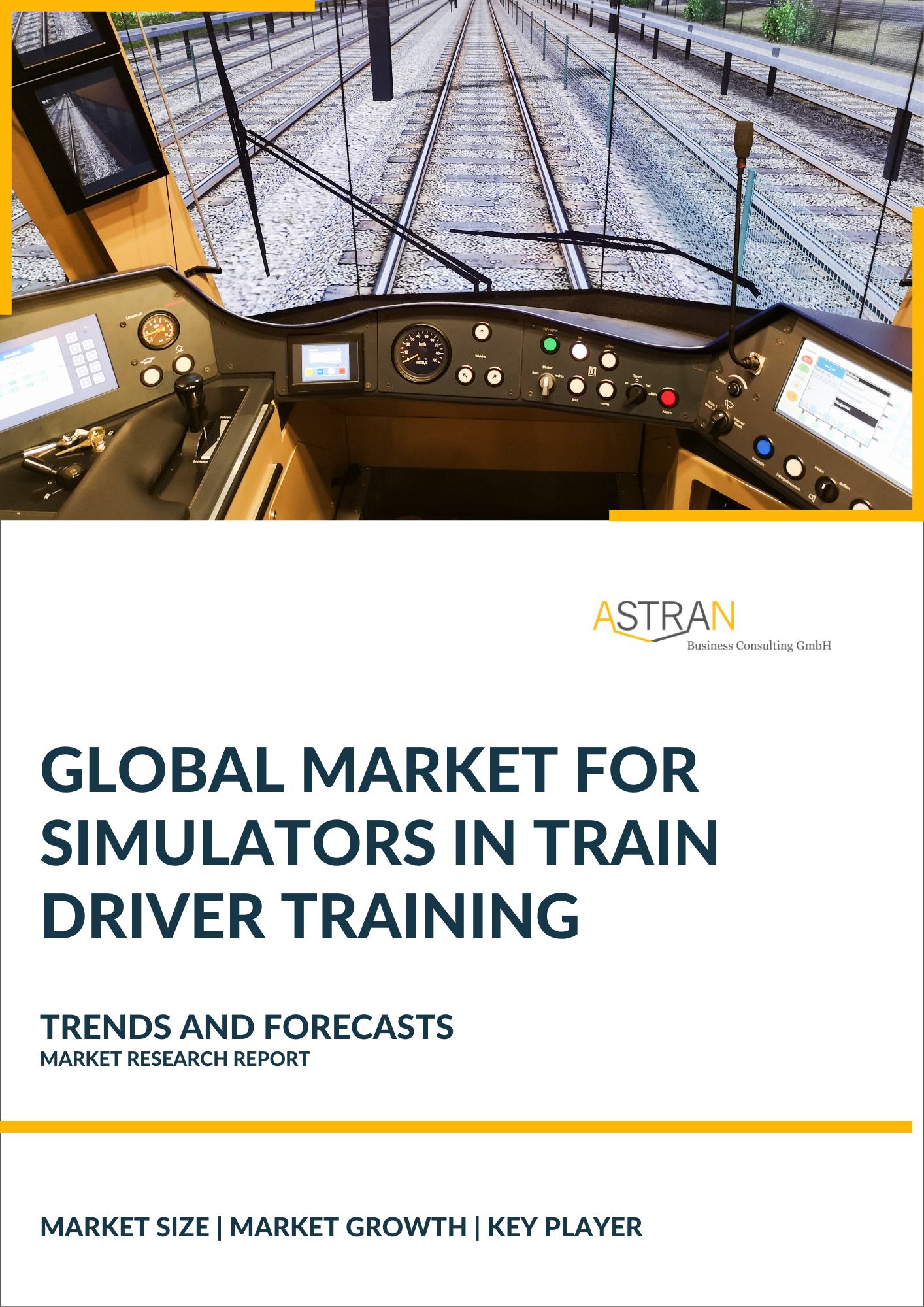
The global market for simulators in train driver training is characterized by a steadily increasing relevance of simulation-based education within the rail sector. Railway operators, infrastructure managers, and training institutions are increasingly integrating simulators into both initial qualification and recurrent training programs to address growing operational complexity and safety requirements.
Simulation systems are used to replicate realistic driving, signaling, and operational scenarios, enabling structured training under controlled conditions. This approach supports standardized training processes, allows exposure to rare or safety-critical situations, and reduces dependency on rolling stock availability for training purposes. As a result, simulators are becoming an integral component of modern railway training strategies.
Demand for train driver simulators is driven by network expansion, fleet modernization, and the introduction of new signaling and control systems. In addition, regulatory requirements and certification frameworks emphasize documented, reproducible training methods, further reinforcing the role of simulation-based solutions. These factors apply across passenger rail, high-speed rail, metro systems, and freight operations, although specific requirements vary by segment and region.
The market landscape comprises a combination of established international suppliers and specialized regional providers. Competition is shaped by factors such as simulation fidelity, system flexibility, interoperability with existing training infrastructures, and the ability to tailor solutions to national operational rules and regulatory environments. Long-term service offerings, including maintenance, system updates, and instructor support, play a significant role in supplier differentiation.
Technological development within the market focuses on improving realism, modular system architectures, and the integration of operational and signaling data into training environments. Increasing digitalization within railway operations is expected to further influence simulator design and training concepts, particularly in terms of scenario management, performance evaluation, and system adaptability.
Overall, simulation-based train driver training is increasingly perceived as a strategic tool to enhance safety, efficiency, and consistency in railway operations. The market continues to evolve in line with broader developments in rail infrastructure, regulation, and digital transformation, with simulators playing a central role in workforce qualification and operational readiness.